
How AI Is Moving In (And What It Means for My Laundry)
A small, skeptical tour of what ‘smart’ homes actually change — and what they don’t
I used to think a smart home was a fancy thermostat and a voice saying, "Sorry, I didn't catch that." Now I notice AI changing the house in quieter, stranger ways. Not just gadgets with Wi‑Fi, but software that quietly rearranges how time, money, and attention flow inside four walls.
Think of AI like a new kind of appliance. At first it’s an exciting novelty. Then it becomes a utility. Then someone notices it changed the way the whole kitchen works. Electric refrigerators followed a similar path: they existed in the 1910s but only became transformative when they became affordable and widespread. Technologies settle in the house slowly, then all at once.
A few concrete shifts I’m watching closely:
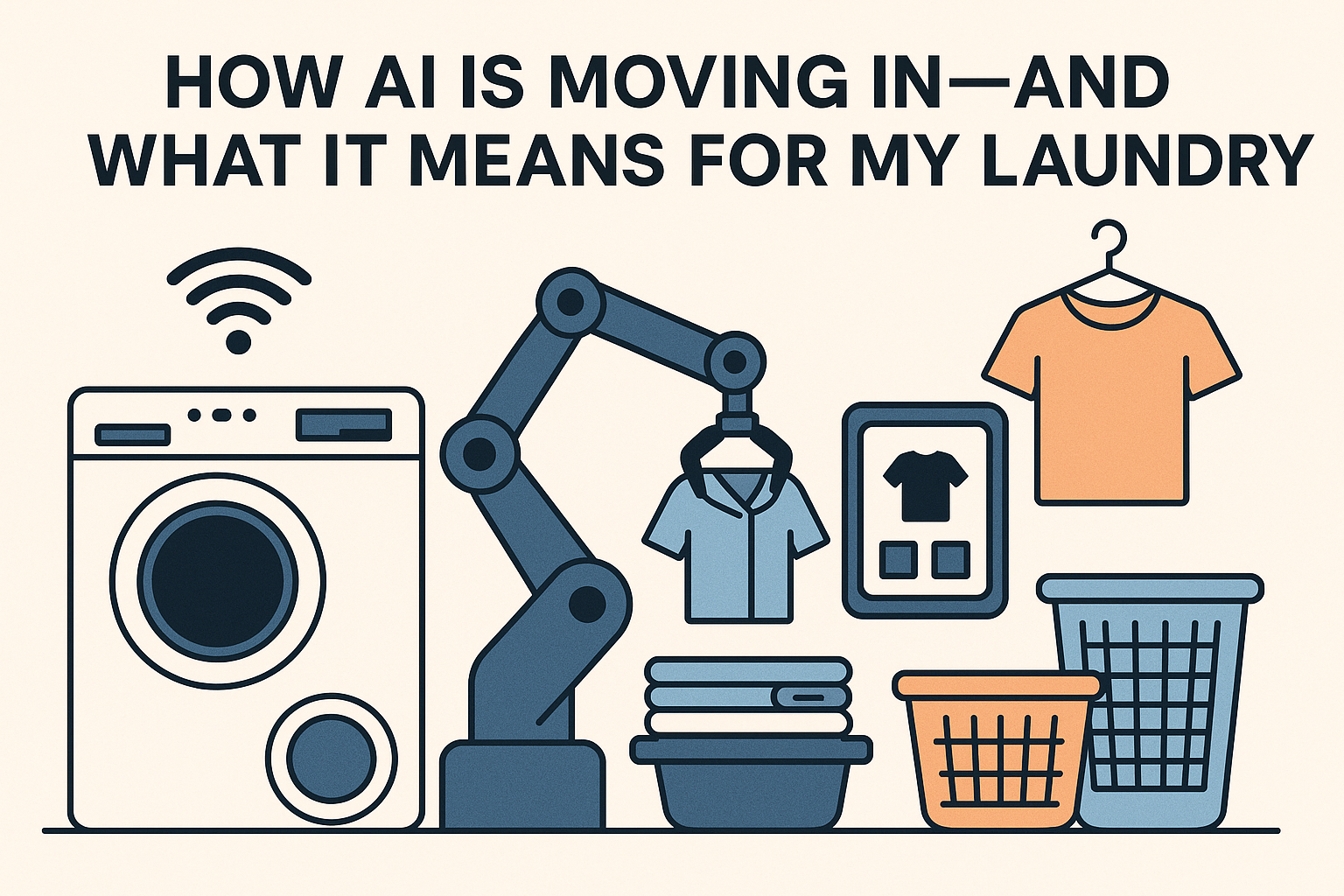
Chores get redistributed. The no‑fluff AI agent dream is simple: automate manual drudge. People joke they want AI to do the laundry. That’s not literally the robot folding your socks (yet). It’s scheduling, supply replenishment, and choosing the fastest route through household errands. When your calendar, delivery apps, and smart appliances coordinate, the friction of everyday tasks drops.
Learning becomes on‑demand. I used AI to learn a cooking technique last week. In ten minutes I had a step‑by‑step, adjusted for the pans I own. Rhea Purohit and others have argued AI can bootstrap lifelong learning — not by replacing classes, but by making coaching and feedback instantly available at home.
Money gets nudged differently. Smart shopping suggestions, price‑tracking, and automated resupply can shave time and cost. But they can also steer you toward subscription services and lock‑in. The convenience premium is real.
Health and comfort get personalized. Temperature, lighting, reminders, sleep coaching — these things used to be static. Now they adapt to patterns. That’s nice. It’s also an invitation to surveillance if the incentives are misaligned.
Invisible labor shifts. Some work disappears. Other work appears: supervising, teaching, and validating AI. There’s an old pattern in tech: someone automates a task, and new administrative work springs up. That’s been true from early household electrification to today’s smart assistants.
A little story: my mother wanted a fridge that helps plan meals. She bought a model that suggests recipes based on what’s inside. The first week she loved it. The second week she realized the fridge’s suggestions leaned heavy on a brand that happened to be pre-installed in the app. Convenience met commerce. She still loves fewer trips to the store, but now reads ingredient lists more carefully.
Policy matters here, not just product design. Broad adoption of household AI can deliver economic benefits — faster decision‑making, more leisure time, lower friction for small tasks — but it can also concentrate power. We saw how media attention reshuffles who gets funded and noticed in entrepreneurship; a similar feedback loop exists with AI in the home. Early winners get more data, which improves their models, which attracts more users. That’s a feedback loop worth watching.
Which brings up the question: who benefits? If AI is a force for prosperity, that prosperity can still be uneven. The gains from automated scheduling and personalized learning are real, but they depend on connectivity, trust, and a privacy bargain homeowners accept.
So what should we do? A few modest moves I find useful when I think about AI moving into my house:
Keep control of keys: prefer systems where I own or can export my data.
Measure tradeoffs: convenience vs. recurring costs or surveillance.
Teach the tools: treat AI like an apprentice that needs training, not a replacement.
Start small: automate a single pain point, then watch where new frictions appear.
I don’t think the future is all utopia or all dystopia. It’s a messy middle. Appliances changed kitchens, which changed diets, which changed cities. AI will do the same for rhythms of home life: the small routines we barely notice will be nudged, optimized, and sometimes sold back to us as features.
Closing reflection
I like the idea of a home that quietly saves me time. I’m less fond of a home that quietly sells my habits. So I try to be deliberate. I test one helper at a time. I ask who benefits. Sometimes the smart thing is to let the AI suggest a recipe. Sometimes the smart thing is to fold my own socks and listen to a podcast.
If history is a guide, the biggest household change won’t be the gadget itself. It will be the new expectations it creates. Watch those expectations. They tell you which conveniences are upgrades, and which are compromises in disguise.


